Two eating patterns keep coming up when people talk about eating well: the Mediterranean diet and plant-based eating. They're often presented as opposing teams, but most people who stick with either one for years end up somewhere in the middle. The more useful question isn't which one wins on paper. It's which one fits your kitchen, your budget, and the reason you wanted to change how you eat in the first place.
What Each Pattern Actually Means
The Mediterranean pattern is about proportions rather than rules. Vegetables, fruit, legumes, whole grains, nuts and olive oil make up most of what's on the plate. Fish and seafood show up a few times a week, poultry and eggs less often, red meat and sweets occasionally. It's also not one single cuisine — Greek, Southern Italian, Lebanese and Spanish cooking all fit under the label and taste nothing alike.
Plant-based is a wider tent. It can mean vegan, vegetarian, or simply building meals around plants while eating animal foods now and then. The through-line is that vegetables, beans and grains are the main event instead of a side dish. One thing worth knowing: plant-based doesn't automatically mean healthier. A frozen meat substitute patty and a bowl of lentils are both plant-based, and they behave very differently in your body.
Side by Side: What's on the Plate
- Vegetables and fruit: Central to both. Mediterranean cooking tends to roast, braise or simmer them in olive oil; plant-based eaters often lean raw, roasted or frozen. All versions count.
- Legumes: Lentils, chickpeas, black beans, white beans. Daily in both patterns, and the cheapest protein in the store.
- Whole grains: Oats, brown rice, bulgur, barley, whole wheat bread and pasta. Shared ground.
- Fats: Olive oil, olives and nuts anchor the Mediterranean pattern. Plant-based eating adds avocado, tahini, seeds and plant oils.
- Fish and seafood: Two or so meals a week in the Mediterranean pattern. Absent in vegan eating, included in pescatarian versions of plant-based.
- Dairy and eggs: Yogurt, cheese and eggs in modest amounts on the Mediterranean side. Plant-based versions use soy milk, tofu and tempeh instead.
- Sweets and alcohol: Occasional in both. Wine with meals is traditional in some Mediterranean regions, but it's optional, not a requirement.
If you go fully vegan, plan your B12 (fortified foods or a supplement), and keep an eye on iron, calcium, iodine and omega-3s. If you have a health condition, take medications, are pregnant, or have a history of disordered eating, check with your doctor or a registered dietitian before making a big shift.
Prep Time: The Real-Life Difference
Mediterranean eating is cooking-forward. It assumes you'll roast a tray of vegetables, pan-sear fish, simmer a pot of beans. That sounds slow, but it doesn't have to be. A fifteen-minute dinner of canned chickpeas, cherry tomatoes, spinach, garlic and olive oil is squarely Mediterranean, and so is a bowl of yogurt with walnuts and honey. The trick is batch cooking: one pot of grains, one tray of roasted vegetables, one pot of beans on the weekend, and weeknights become assembly.
Plant-based eating can be the fastest option in the house or surprisingly fiddly. A smoothie, beans on toast, or a grain bowl with hummus take minutes. Tofu and tempeh, on the other hand, need technique before they taste good. Learn one method properly — press, cube, toss in cornstarch, bake hot until crisp — and you'll use it for years. Canned beans, frozen edamame and pre-cooked lentils are legitimate shortcuts, not cheating.
A quick way to test yourself
If your weeknights are 20 minutes long and cooking fish sounds like a chore, plant-based will probably feel easier to sustain. If you enjoy cooking and like having seafood, eggs and yogurt in rotation, the Mediterranean pattern won't feel like work. Neither answer is a verdict on your character.
Cost: Where the Money Actually Goes
Both patterns can be cheap or expensive, and the deciding factor is usually cooking habits, not the diet label. The inexpensive staples overlap almost completely: dried or canned beans, lentils, oats, rice, frozen vegetables, cabbage, carrots, onions, bananas, peanut butter, tahini, tinned sardines or tuna if you eat fish.
The expensive items differ. Mediterranean shopping gets pricey with fresh fish, grass-fed meat and specialty cheeses. Plant-based shopping gets pricey with cashew cheese, protein powders, prepared meat alternatives and out-of-season berries. Two habits cut costs in either pattern: cook more than you buy pre-made, and waste less. Plan three or four dinners around what's already in your fridge before you shop again.
Matching the Pattern to Your Health Goals
Most people come to one of these patterns for a reason — heart health, steadier blood sugar, weight, digestion, or concerns about animal welfare and environmental impact. Mediterranean-style eating has a long research history around cardiovascular and metabolic health. Plant-based eating shares many of those benefits when it's built on whole foods, and it's the more common choice for ethical and environmental reasons.
Your specific circumstances matter more than the label. If you take blood thinners, you'll want guidance on leafy greens and vitamin K. If you manage diabetes, carbohydrate amounts and timing matter regardless of which pattern you choose. If you lift weights or you're over 60, protein deserves attention in both: Greek yogurt, eggs and fish on one side; tofu, tempeh, lentils, edamame and seitan on the other.
None of this is a substitute for personalized medical advice. Bring your questions to a clinician or dietitian who can look at your labs and your life.
How to Decide This Week
- Write down three constraints. Minutes you'll realistically cook on a weeknight, what you can spend on groceries, and the foods you refuse to give up.
- Test-drive both for three days each, using meals you already like. Swap ground beef for lentils in chili. Add sardines and yogurt to an otherwise plant-heavy week.
- Notice how you felt. Energy through the afternoon, digestion, hunger at 4 p.m., and whether you enjoyed the cooking or dreaded it.
- Keep the hybrid. Vegetables, legumes, whole grains and olive oil at the center; fish once or twice a week; small amounts of meat, eggs and dairy if you want them. That combination is where a lot of people quietly land, and it borrows from both patterns.
The pattern you can repeat on a cold Tuesday in February is the one that will do you the most good. Start there, then adjust as your schedule, budget and body change.
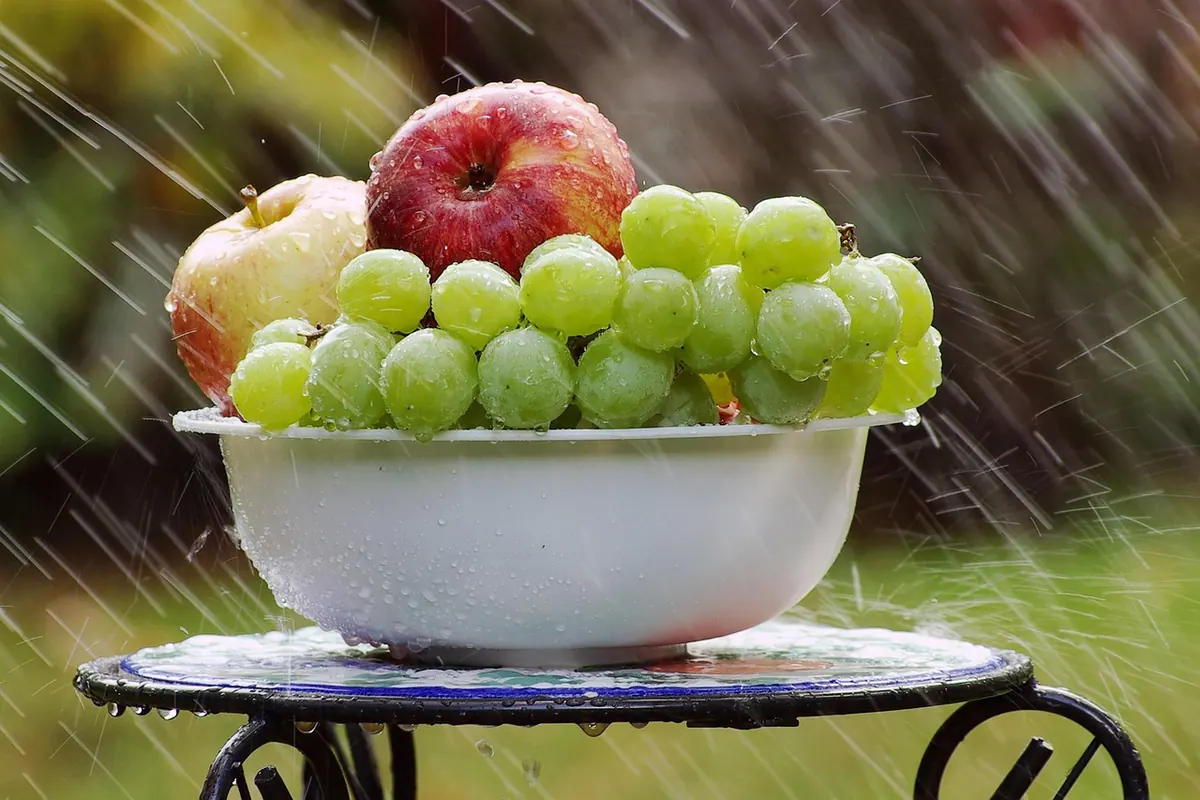
Photo: angel1238812 / Pixabay